Guides · 5 min read
Non-invasive body contouring: what you can really expect
By Marta Fernández · Updated
“Drop two dress sizes without lifting a finger.” “Banish stubborn fat in a single session.” “Say goodbye to cellulite.” If you’ve been looking into body contouring, you’ll have seen claims like these. This guide goes in the opposite direction: what non-invasive treatments can do, what they can’t, and how to work out whether they’re worth it before you spend anything.
What does “non-invasive body contouring” mean?
It’s an umbrella term for beauty treatments that work on how the body looks with no surgery, no needles and no recovery time. At a beauty centre, it mainly covers:
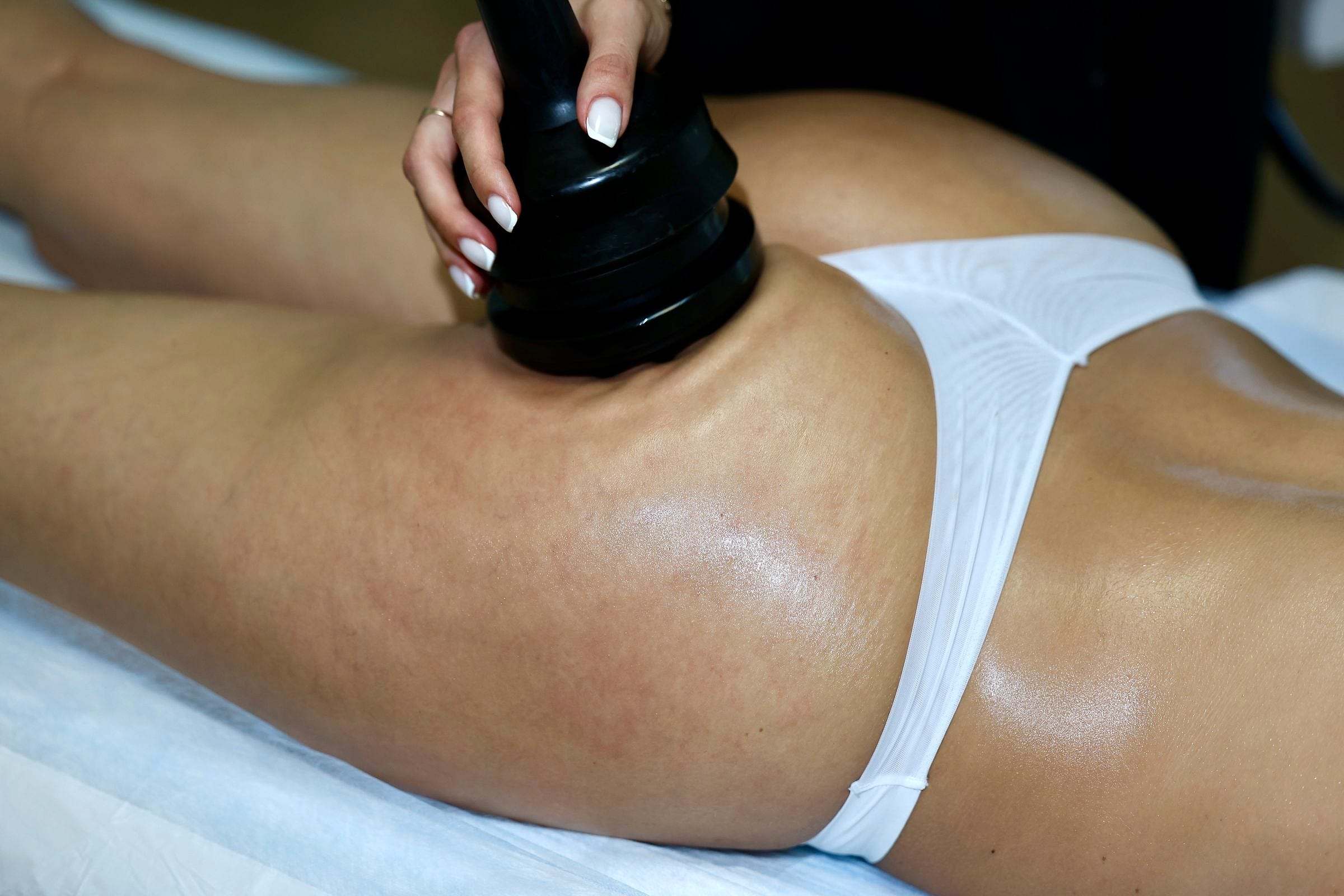
- Firming and contouring devices, such as Bellaction Duo body.
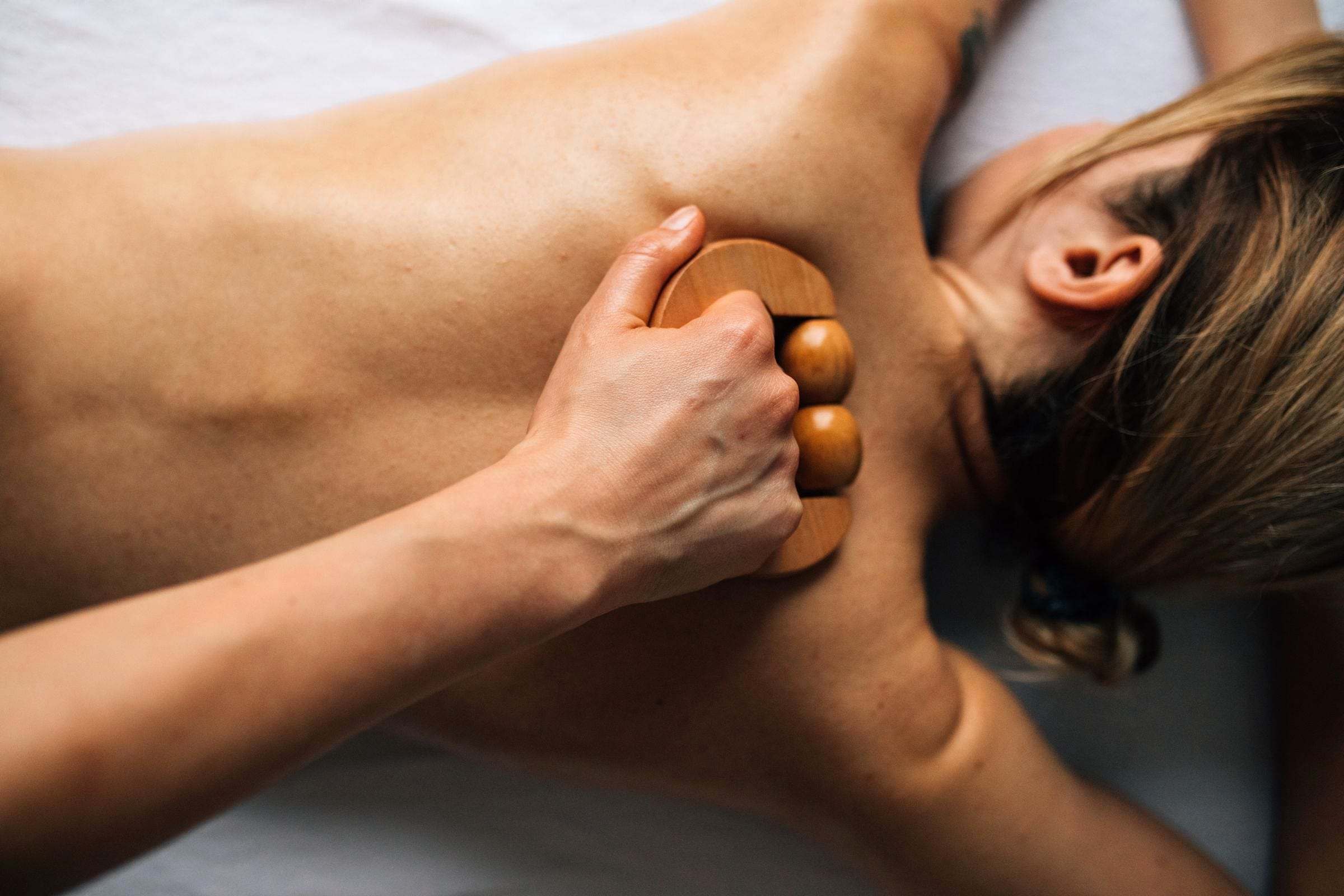
- Hands-on techniques, such as wood therapy.
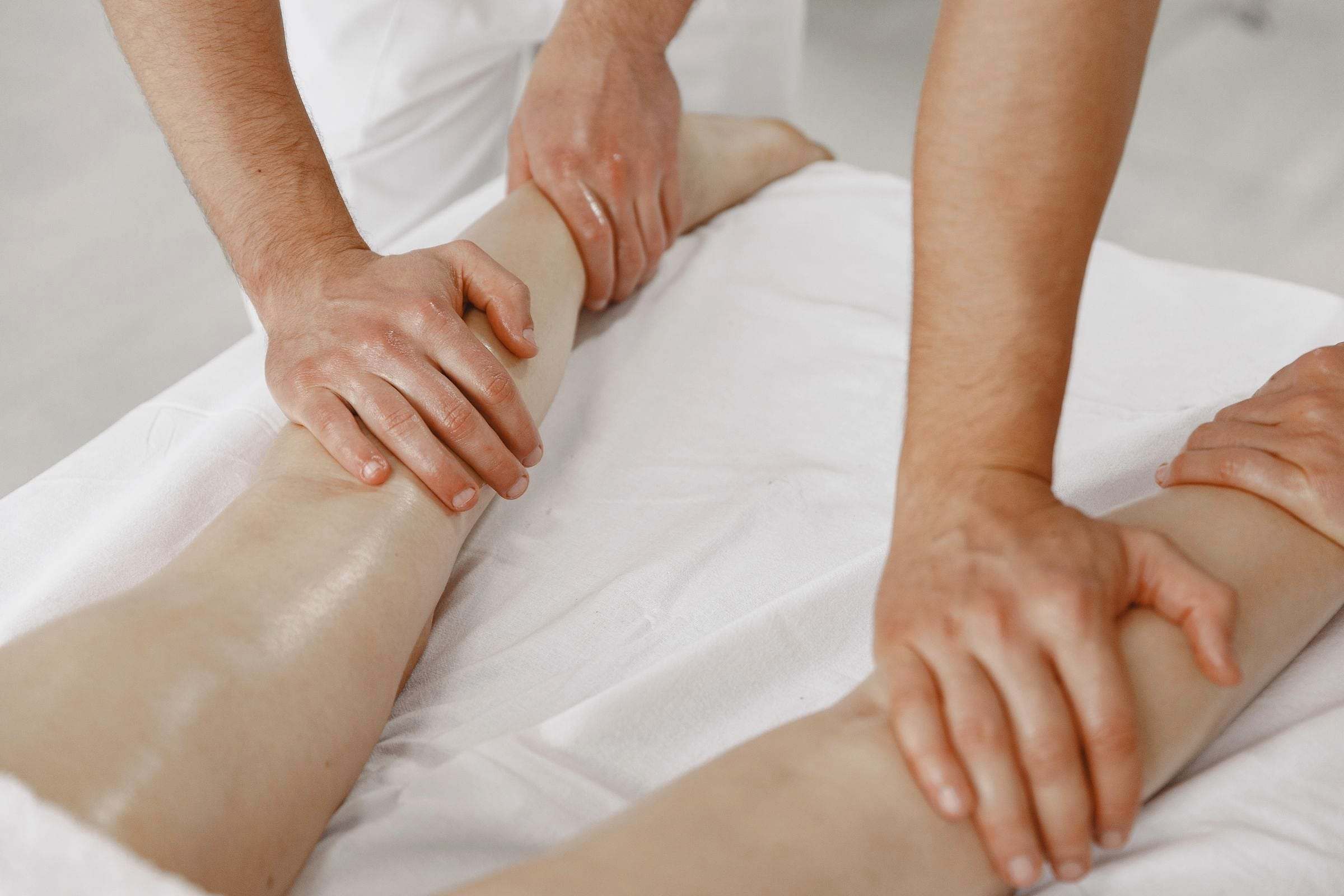
- Treatments with a draining effect, such as pressotherapy.
They all share three features: they work gradually, they need a programme of sessions, and they depend heavily on what you do outside the treatment room.
What’s left out are medical procedures (liposuction, fat-dissolving injections, surgery). These are carried out by medical professionals, carry different risks and give different results, and it makes no sense to compare them as if they were equivalent.
What you can expect
With a well-planned programme and supportive habits, it’s reasonable to expect:
- Firmer-looking skin in the treated area.
- A slightly more defined contour, gradually.
- Improved appearance of orange-peel skin while you keep up the course.
- Lighter legs and less of that puffy feeling.
- Consistency: having regular appointments helps many people keep up their other habits.
These changes are real, but subtle. You’ll notice them more in how your clothes fit and how your skin feels than on the scales.
What you can’t expect
- Weight loss. None of these treatments burns fat in a way that shows up on the scales.
- Set dress sizes or centimetres. Anyone who promises them doesn’t know your body or your habits.
- Cellulite disappearing. It has hormonal and genetic components; its appearance can be improved, but it can’t be made to disappear.
- Results from the very first session, apart from the temporary lightness of pressotherapy.
- A substitute for diet and exercise. Beauty treatments support you; they don’t do that work for you.
The four factors that matter most
Your starting point
Someone at a stable weight who wants firmer-looking thighs has very different expectations from someone who wants to lose weight. Non-invasive treatments are a much better fit for the first.
Consistency
A single session doesn’t contour anything. Programmes usually run from 5 to 10 sessions, once or twice a week. Skipping appointments or spacing them too far apart dilutes the effect.
Your habits
Diet, physical activity, hydration and rest. When they’re on your side, the programme shows; when they’re not, a device can only do so much. That’s not a criticism: it’s simply how the body works.
The area
Focusing the programme on one priority area usually gives a clearer sense of the change than spreading sessions across the whole body.
How to choose a treatment
| What concerns you | Best-suited treatment | Common combination |
|---|---|---|
| Firmness of the abdomen, bottom or thighs | Bellaction Duo body | + pressotherapy |
| Orange-peel skin | Wood therapy | + pressotherapy |
| Heavy, puffy legs | Pressotherapy | + cold wraps in summer |
| Several things at once | Combined programme | Based on your assessment |
Combining treatments makes sense when each one brings something different. Adding sessions for the sake of it doesn’t improve the result.
Warning signs when choosing a beauty centre
Before you buy a package, be wary if:
- You’re promised specific dress sizes, kilos or centimetres.
- You’re shown before-and-after photos with no explanation of the context or that person’s habits.
- Nobody asks you a single question about your health before you start.
- You’re told you “don’t need to look after yourself” because the machine does it all.
- Medical terminology is used for a beauty treatment.
And take it as a good sign if someone tells you a treatment isn’t right for you.
How to track your progress
The scales are a poor guide in body contouring: they may not budge even when the area has improved. There are more useful ways to follow the change:
- Photos in the same conditions. Same light, same pose, same clothes, at the start and every few weeks.
- A reference garment. A pair of trousers or a skirt you wear regularly that tells you how things fit.
- How your skin feels. Many people notice a difference in texture before they see it in the mirror.
- How your legs feel. If heaviness was your main complaint, make a note of how you feel at the end of the day.
Reviewing these signs halfway through the programme lets you adjust the frequency or the combination of treatments.
Who they’re not for
Non-invasive body treatments aren’t carried out during pregnancy or if you have thrombosis, phlebitis or significant circulatory problems, cancer under treatment, infections or wounds in the area, or recent surgery. If you have an implanted device such as a pacemaker, beauty devices and pressotherapy aren’t used either. If you have any health concerns, speak to your doctor first.
At Narumi
At Narumi, a beauty centre in Málaga city centre, we approach body contouring with honest expectations. Marta Fernández always starts with an initial assessment: she looks at the area, your habits and your health, and tells you clearly what you can expect. If your goal isn’t something beauty treatments can achieve, we’ll say so.
- Bellaction Duo body in Málaga: a firming and contouring programme for a specific area.
- Wood therapy in Málaga: hands-on work focused on how your skin looks.
- Pressotherapy in Málaga: lighter legs and a draining effect.
You’ll find us at Calle Cristo de la Epidemia 33, a few minutes’ walk from La Victoria and the historic centre. Book your assessment by WhatsApp or phone on +34 611 500 328. Sessions are in Spanish, but message us on WhatsApp and we’ll do our best to help.
| Bellaction Duo body | Wood therapy | Pressotherapy | |
|---|---|---|---|
| Focus | Firmness and contour in one area | How the skin looks | Lightness and a draining effect |
| Type | Beauty device | Hands-on massage with wood | Sequential compression |
| Typical programme | 5 to 10 sessions | Course of 10 | Course of 5 to 10 |
| What it doesn't do | Doesn't slim you or take off set dress sizes | Doesn't make cellulite disappear | Doesn't treat circulatory conditions |
Frequently asked questions
Does non-invasive body contouring make you slimmer?
No. Body contouring beauty treatments don't make you lose weight. They can improve how the skin looks, how firm it feels and how light specific areas feel. If your goal is to lose kilos, diet and physical activity are the foundation; beauty treatments can support that.
How long before I see results?
Results build gradually. Most people start to notice changes as the programme goes on, not after the first session. A pressotherapy session does leave you feeling lighter straight away, but it's temporary. Firmness and the look of the skin need consistency.
Can I drop a dress size without surgery?
No beauty centre should promise you specific dress sizes or centimetres. Changes depend on your starting point, your habits and the area. The honest approach is to talk about improving how the skin looks and how firm it feels, and to track progress by how your clothes fit, not by a promised number.
Which treatment should I start with?
It depends on what concerns you most. For firmness in one area, a device programme such as Bellaction Duo body. For how the skin looks, wood therapy. For heavy legs, pressotherapy. An initial assessment helps you decide and combine them sensibly.
How long do the results last?
That depends a lot on what you do afterwards. If you maintain a stable weight, stay active and keep well hydrated, the changes hold up better. Many people book occasional maintenance sessions. No beauty treatment gives lasting results without ongoing care.