A well-performed superficial chemical peel is only half the result. The other half happens at home, in the days before and, above all, the weeks after. The good news is that the aftercare is simple. The bad news is that skipping one step (nearly always the sunscreen) can turn a good treatment into a new dark mark.
This guide covers superficial, professional-grade cosmetic peels, which are the ones we offer at Narumi. Medium and deep peels are medical procedures with their own instructions, which should come from the healthcare professional performing them.
Before your peel: the two weeks beforehand
Preparing your skin isn’t about doing lots; it’s about not doing certain things.
No tanning. Skin that’s recently been in the sun is more reactive and more prone to pigmentation. If you’ve had strong sun exposure in the previous two weeks, it’s wise to wait. Skip self-tan in the days before too: it stops the product working evenly.
Pause exfoliating actives. Retinol, retinal, glycolic, salicylic and lactic acid, and grainy scrubs should be stopped three to seven days beforehand, depending on how intensive your routine is. If you use prescription topical treatments, tell us at your assessment.
Facial hair removal. Avoid waxing, threading or depilatory creams on the area in the days before. If you’re having laser hair removal on your face, leave a gap between the two and let us know so we can plan around it.
Medication. Some medicines increase sun sensitivity or affect the skin. Oral isotretinoin rules out a peel for several months after you stop taking it. If you have any doubts about your medication, check with your doctor.
Cold sores. If you’re prone to cold sores, let us know. We don’t carry out a peel during an active outbreak.
On the day
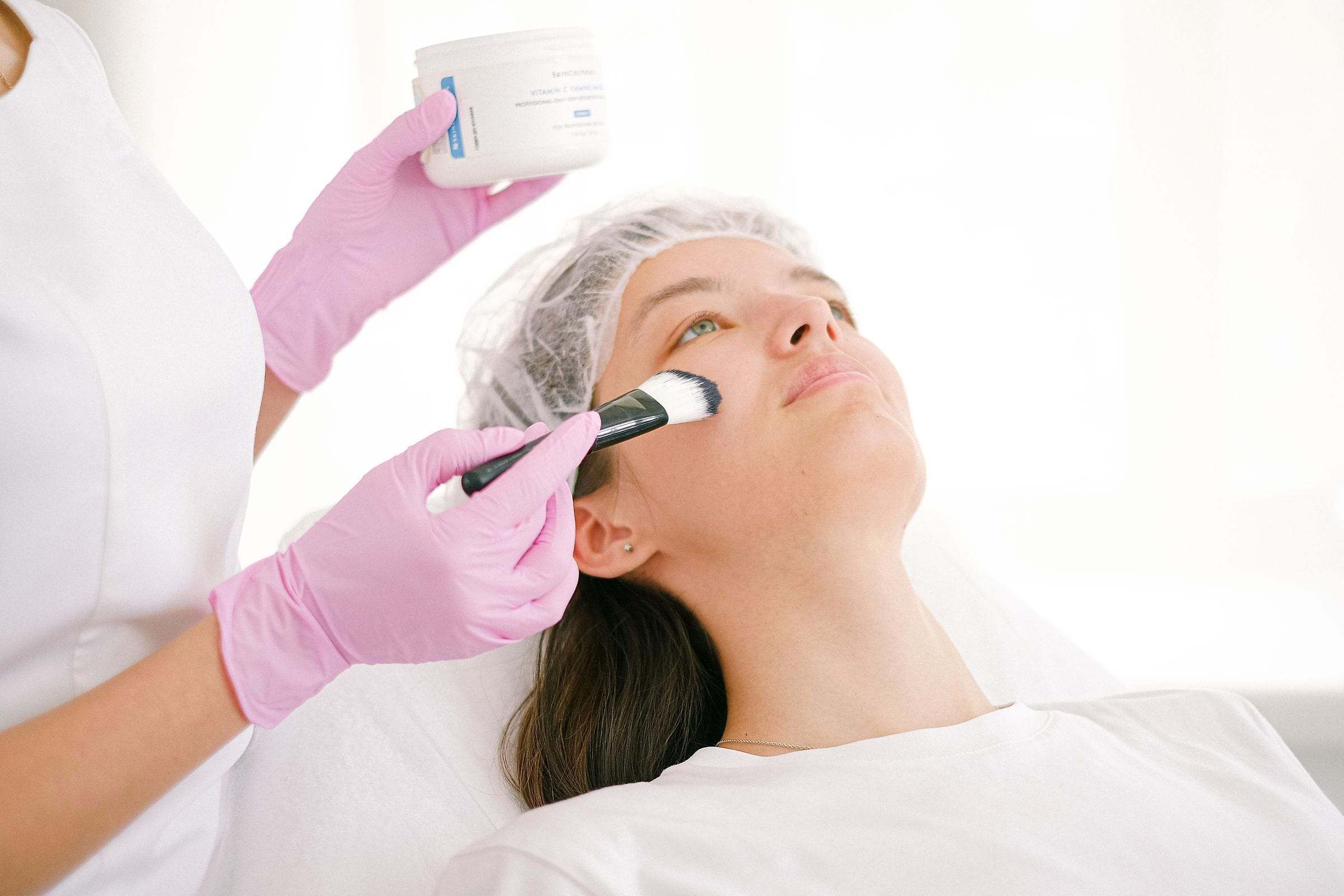
Come without make-up if you can, though it isn’t essential: we start by cleansing and degreasing. During the application you’ll feel tingling or warmth for a few minutes. It’s normal for this to be stronger around the sides of the nose, beside the mouth and on the chin. If it builds more than expected, tell us: we’ll remove or neutralise it early.
When you leave, your skin may be slightly red and tight. Wear sunglasses and, if you can, a cap or hat, even in winter: Málaga has bright light almost all year round.
After your peel: week by week
The first 48 hours
This is when your skin is most sensitive. Wash with lukewarm water or a very gentle cleanser, without rubbing, and pat dry. Apply a simple moisturiser, free from fragrance and exfoliating actives, several times a day if your skin feels tight. In the morning, a broad-spectrum, high-protection sunscreen.
Avoid make-up on the first day, along with saunas, steam rooms, chlorinated pools, intense exercise and anything that makes you sweat a lot or heats up your face.
Days three to five: flaking
If your skin is going to flake, it usually happens now. It tends to start around the mouth and nose and looks like dry skin coming away in fine sheets. Three rules:
- Don’t pick. There’s new skin underneath that isn’t ready yet; if you pull, you may leave a red or darker patch.
- Moisturise more. Cream helps the flakes come away on their own and eases tightness.
- Don’t exfoliate to speed things up. No scrubs, brushes or acids.
If you don’t flake, that’s fine. Many superficial peels cause no visible flaking.
From day six onwards
Your skin looks smoother and brighter. You can gradually return to your routine: first your usual moisturiser and serum, then, a few days later, stronger actives such as retinol if you use them. Daily sun protection continues throughout the course and, really, for good.
Sun protection, seriously
After a peel, your skin is more sensitive to UV radiation for weeks. If you don’t protect it, pigmentation is more likely to appear, which is exactly the opposite of what you were after.
- Wear a broad-spectrum, high-protection sunscreen every morning, even if you’re staying in or it’s cloudy.
- Reapply every two hours when you’re outdoors, and after sweating.
- Wear a hat or cap and seek shade in the middle of the day.
- Remember the light that comes through car and office windows.
That’s why we prefer to schedule peel courses between autumn and spring. A peel in a Málaga summer is possible, but it takes a level of discipline that doesn’t always sit well with holidays.
When to message us or see your doctor
Redness, tightness, some itching and fine flaking are normal. Other signs are not, and it’s worth messaging us and, if necessary, seeing your doctor or dermatologist, if you notice any of the following:
- Blisters, scabs or open wounds.
- Intense stinging that doesn’t ease with moisturiser.
- Swelling that gets worse rather than better.
- Areas that are clearly darker after the first week.
- A cold sore outbreak.
How it fits with other treatments
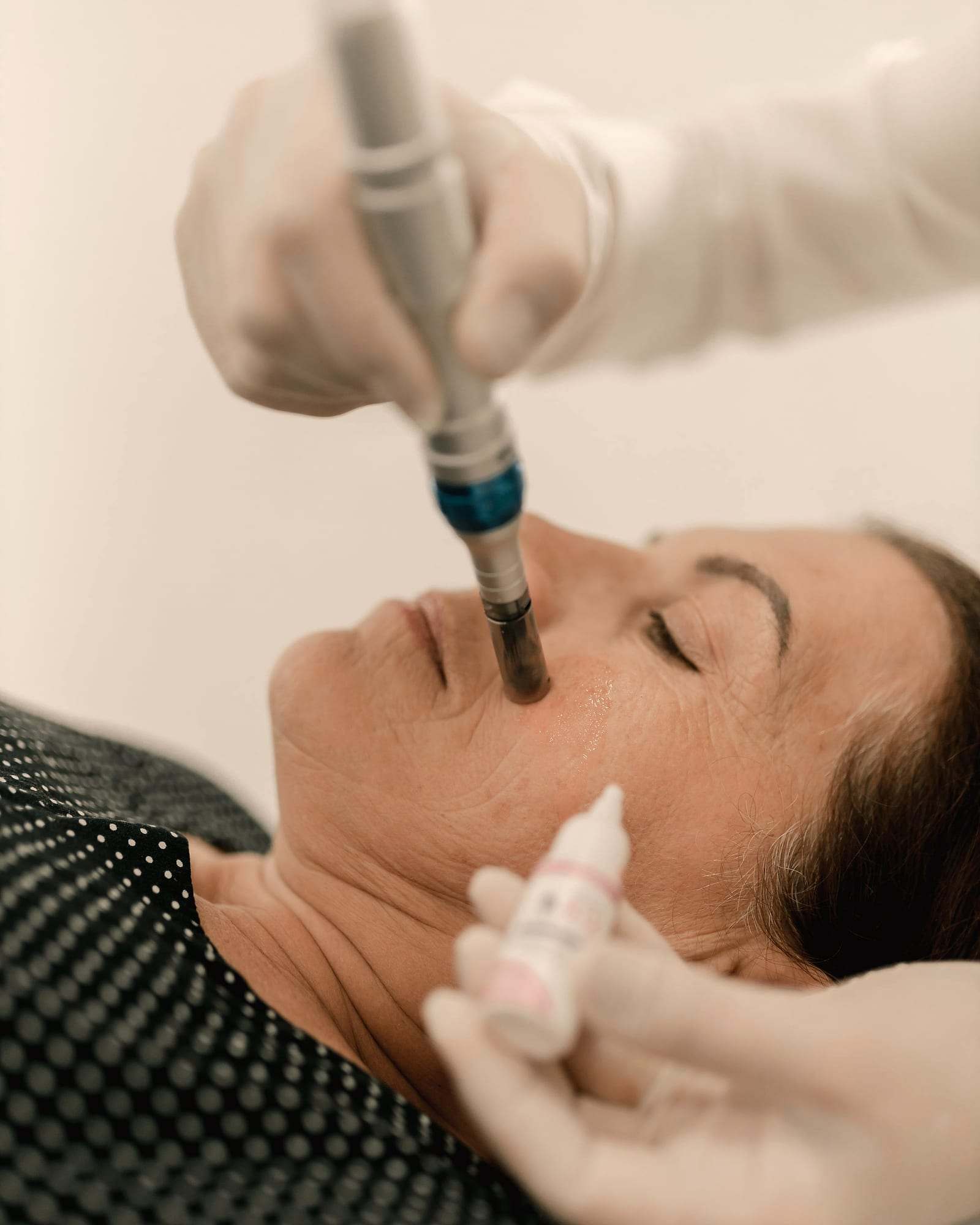
During a course of peels, leave at least two weeks before any other intensive facial treatment, such as Dermapen or diamond microdermabrasion. Gentle facials, such as a hydrotherapy facial or an LED light facial, may fit in sooner, always after an assessment. If you’re combining a peel and Dermapen as part of a pack, we’ll set out the order and intervals in the treatment room.
At Narumi
At Narumi, a beauty and aesthetics centre on Calle Cristo de la Epidemia in Málaga city centre, every peel begins with an assessment where we go through your routine, your medication and how much sun you’re likely to get. Afterwards, we talk you through this aftercare and make sure it’s clear for home. If anything doesn’t go as expected, you can message us on WhatsApp; we’ll do our best to help.
- Chemical peel in Málaga: courses of superficial, professional-grade cosmetic peels.
- Dermapen in Málaga: if you want to work on texture and pores, with very similar aftercare.
If you’re still deciding between the two, our comparison Dermapen or chemical peel will help you choose.
| When | What you'll notice | What to do | What to avoid |
|---|---|---|---|
| Day 0 | Redness, warmth, tightness | Cleanse with water or a gentle cleanser, moisturise, apply sunscreen | Make-up, sun, exercise, touching your face |
| Days 1–2 | Tightness, more sensitive skin | Moisturise several times a day, sunscreen every morning | Acids, retinol, scrubs, saunas |
| Days 3–5 | Possible light flaking | Moisturise and let flakes come away on their own | Picking at flakes, rubbing with a towel |
| Days 6–10 | Smoother, brighter skin | Gradually return to your usual routine | Reintroducing strong actives all at once |
Frequently asked questions
How many days before a peel should I stop using retinol?
As a guide, three to seven days beforehand, depending on the strength and how reactive your skin is. The same goes for exfoliating acids at home. If you use prescription retinoids, mention it at your assessment; and if you've taken oral isotretinoin in recent months, we won't carry out the peel.
Can I go to the beach after a peel?
Not in the days that follow. The sensible approach is to avoid direct sun for at least the first week and, throughout the course, to wear high-factor sunscreen and reapply it. If you've got beach days in Málaga or a sunny holiday planned, it's better to postpone the peel.
When can I wear make-up after a peel?
Ideally wait until the next day and use light, clean products. If you're flaking, a heavy foundation will cling to the flakes; stick to moisturiser and a tinted sunscreen until your skin settles. Remove your make-up every night with a gentle product, without rubbing or using exfoliating pads.
Is it a bad sign if my skin doesn't peel?
No. Many superficial peels cause no visible flaking, or only very fine flaking. The renewal still happens. It's not a sign that it worked better or worse. What does show how your skin is responding is how it looks over the following weeks: more radiant, more even in tone and finer in texture.
What should I do if it itches or stings a lot?
Mild itching is normal for the first few days. Use a simple moisturiser and don't scratch. If you get blisters, scabs, intense stinging that doesn't ease or an area that darkens, message us and, if necessary, see your doctor or dermatologist.
Does this aftercare also apply to Dermapen?
Largely, yes: sunscreen, no strong actives for a few days, no make-up on the first day, and no saunas or intense exercise. Dermapen adds a few hygiene steps, such as washing with just water or a very gentle cleanser on the first day and changing your pillowcase.